Stress-Testing a Seed Orchard for the Post-Fire West
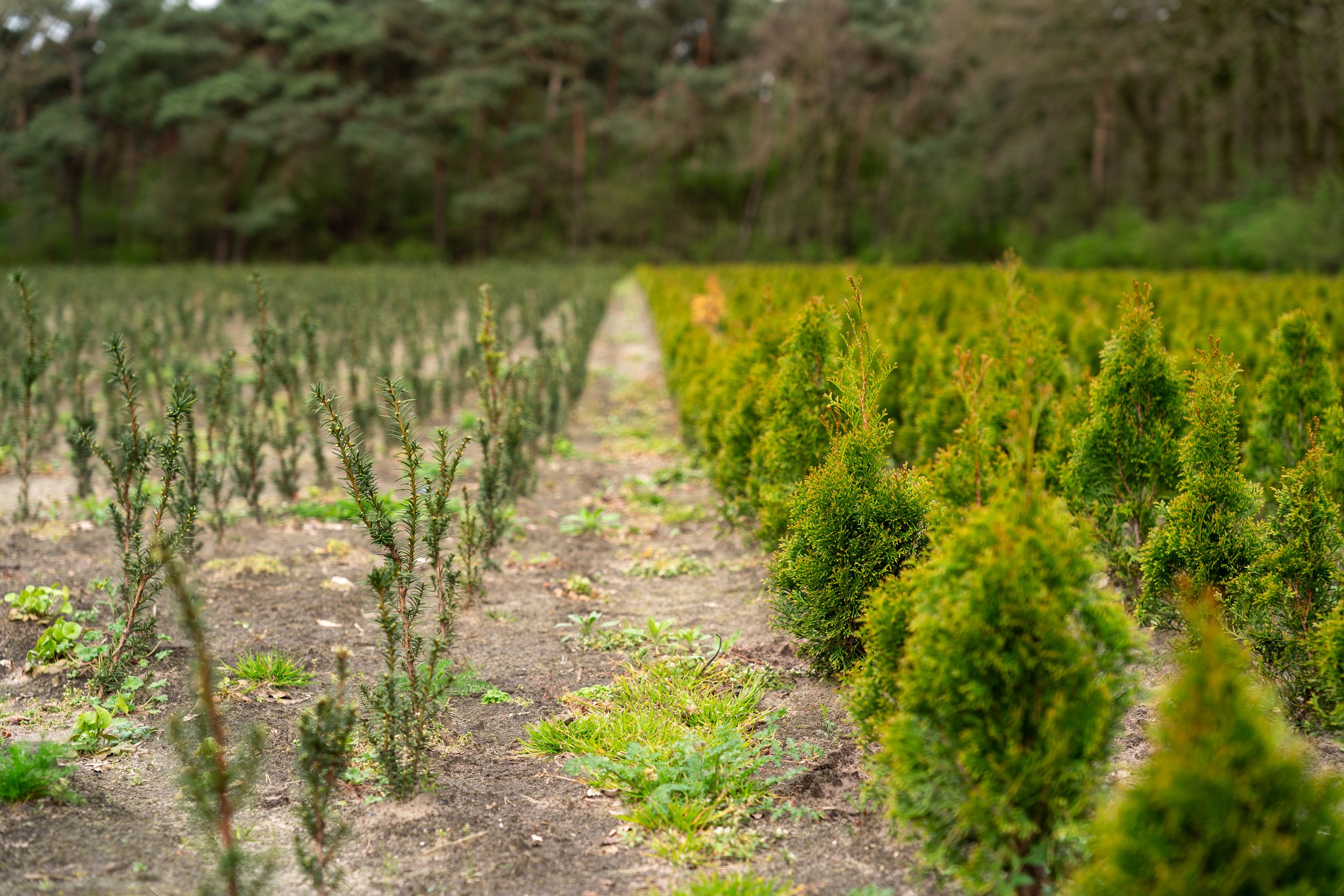
A national reforestation nonprofit is proposing to build a commercial-scale seed orchard in south-central Oregon, one of the most fire-affected landscapes in the American West. Before moving forward, they needed honest answers: Is there enough demand to sustain the business? Is the financial model sound? Where are the real risks? They engaged New Leaf to find out.
The Bottleneck Nobody Planned For
Wildfires in the American West are outpacing the region's ability to recover. Over 660,000 acres burned in south-central Oregon between 2018 and 2021 alone. The USFS projects that Eastern Oregon will need to reforest almost one million acres in the coming decades, predominantly in ponderosa pine ecosystems.
Yet reforestation at that scale is constrained by a critical input shortage: high-quality, climate-adapted tree seed. When major industrial landowners face wildfires, each replanting effort can require the equivalent of a hundred years' worth of stockpiled seed.
And the infrastructure to supply it barely exists. The Eastern Cascades lack both cooperative tree seed orchards and genetic breeding programs for east-side species. Based on recent fire activity, public land agencies in Oregon and Northern California already need high-quality seed annually just to meet current demand. That demand is only growing.
For the client, getting this right means more than producing seeds. It means becoming part of the long-term supply infrastructure that landowners, agencies, and partners depend on — a shift from project-based delivery to durable regional anchor.
What We Delivered
Market and strategic assessment: demand dynamics, buyer engagement, and long-term growth opportunities within the regional reforestation and seed supply market
Financial sustainability analysis: a high-level review of the business plan to support investment analysis, strategic planning, and implementation decision-making
Risk and scenario recommendations: strengthening the model's risk analysis, scenario planning, and funding structures to support future growth and board-level decisions
How We Think About Markets Like This
Seed orchard viability depends on funding capabilities, production capacity, buyer commitment, and the relationships that actually connect them. Those elements can't be analyzed in isolation, and a strategy that ignores any one of them is incomplete.
Our approach brings the full picture into view: supply and demand as a single system, private sector purchasing behavior alongside agency and nonprofit dynamics, and field-level market realities alongside financial modeling. The goal isn’t a report that sits on a shelf. It’s an analysis that helps a client know whether and how to move, with confidence.