Insights & Impact.
Research and perspectives from our on-the-ground work building the financial infrastructure for nature-based climate solutions.
Filter by...
Rural Resilience Fund
The landowners, small businesses, and restoration organizations who steward rural America's working landscapes face a persistent financing gap. Working capital is scarce. Lending products are poorly suited to the timelines and risks of land-based work. And government conservation programs, while valuable, are reimbursement-based, effectively excluding many families who could benefit. The Rural Resilience Fund (RRF) is New Leaf’s answer to that problem.
Protecting Agricultural Working Lands Through Conservation Easements
Once California farmland is paved over, it's gone for good — and the two best programs for saving it (state-funded SALC and DoD's REPI) demand expertise most land trusts don't have in-house. Here's how we're helping the Ag Land Trust unlock both.
Stress-Testing a Seed Orchard for the Post-Fire West
A single wildfire can demand the equivalent of a century's worth of stockpiled tree seed just to replant — and the Eastern Cascades have almost no infrastructure to supply it. Before building a commercial-scale orchard, our client asked us to stress-test whether a new commercial seed orchard could actually pencil out. Here's what we found.

Building the Playbook for Restoration Finance
The biggest barrier to ecological restoration isn't political will or shovel-ready land — it's that practitioners can't find the right capital among dozens of fragmented instruments. The Restoration Capital Toolbox is being built to close that gap.

Opening the Door to Emerging Forest Markets
New income streams for forest landowners — agroforestry, carbon, biochar, ecotourism — are emerging fast, but historically underserved landowners are largely locked out. We're working with SFLR, Asekia, and Khuba International to change who gets through the door.
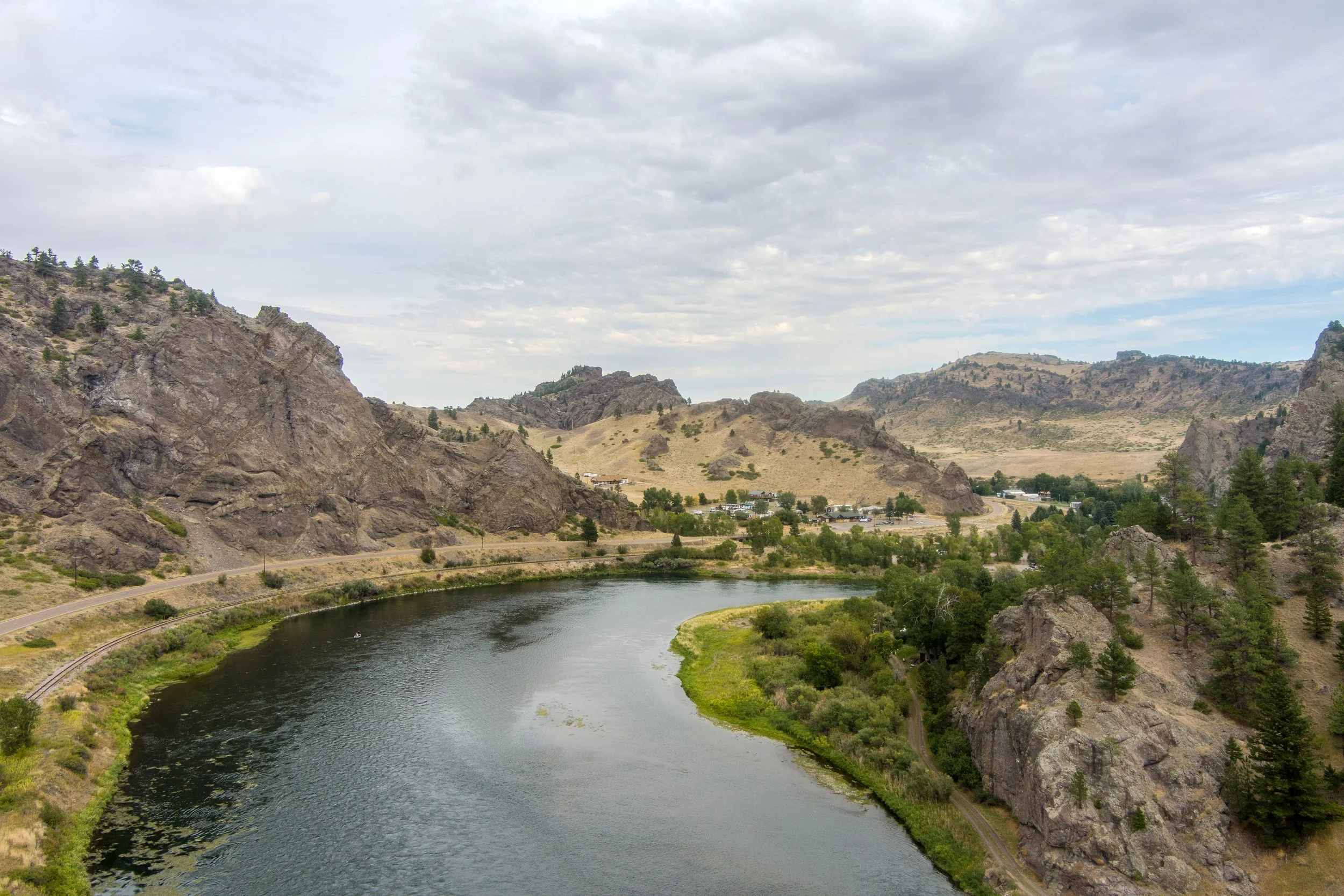
Mapping the Conservation Finance Landscape in Missouri: The Gap Between Ambition and Capital
Conservation in Missouri depends on capital that doesn't yet exist at scale — and most of the institutions that benefit from healthy land sit outside the funding equation. With the Missouri Department of Conservation, we're mapping where the dollars flow, where they don't, and what would change that.
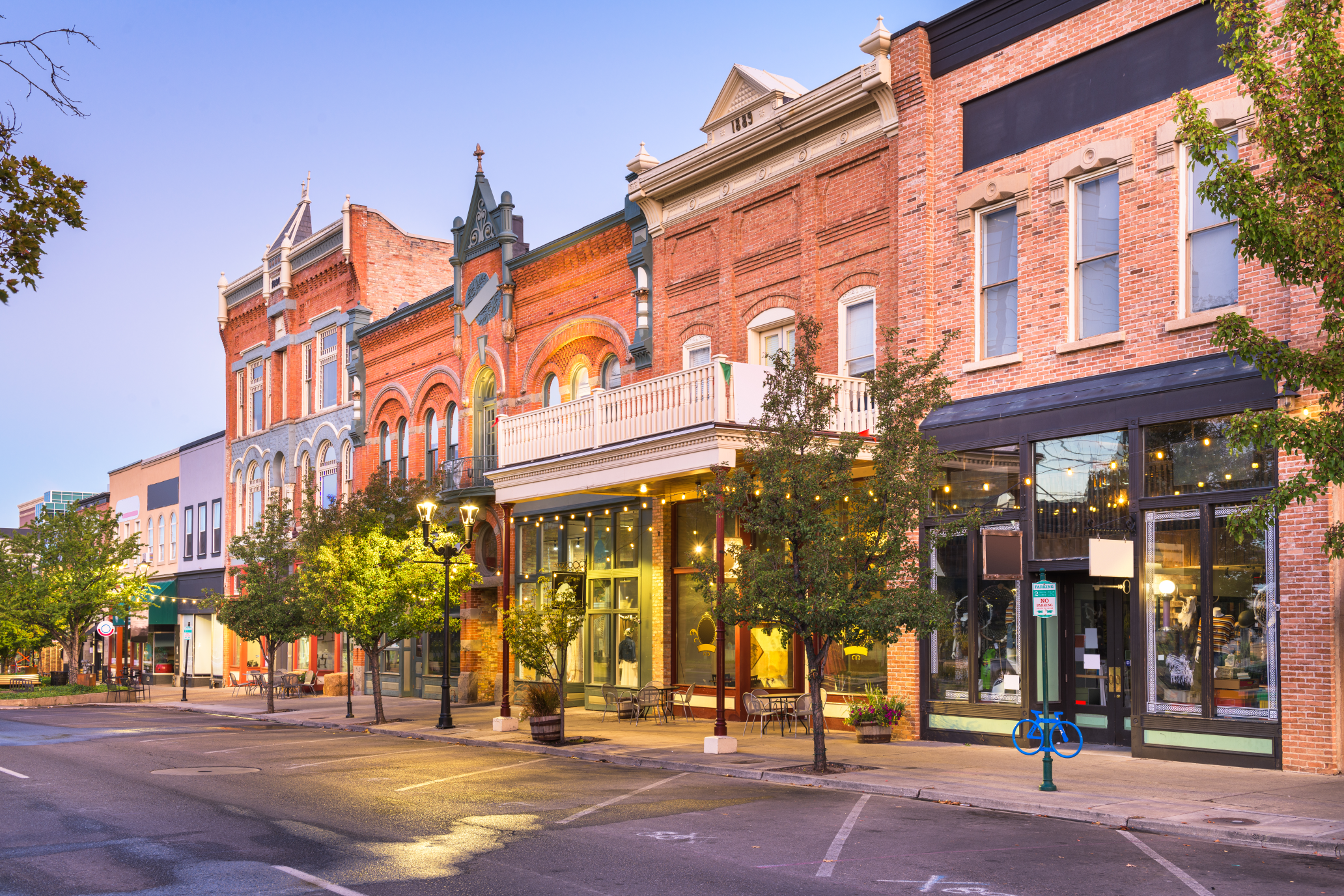
Supporting Main Street: Strengthening the small businesses that hold our communities together
Small businesses are the connective tissue of rural communities, but the people running them often can't access the capital, coaching, or sustainability planning they need. With Edward Jones, the Main Street Initiative delivers all three to the operators holding their towns together.
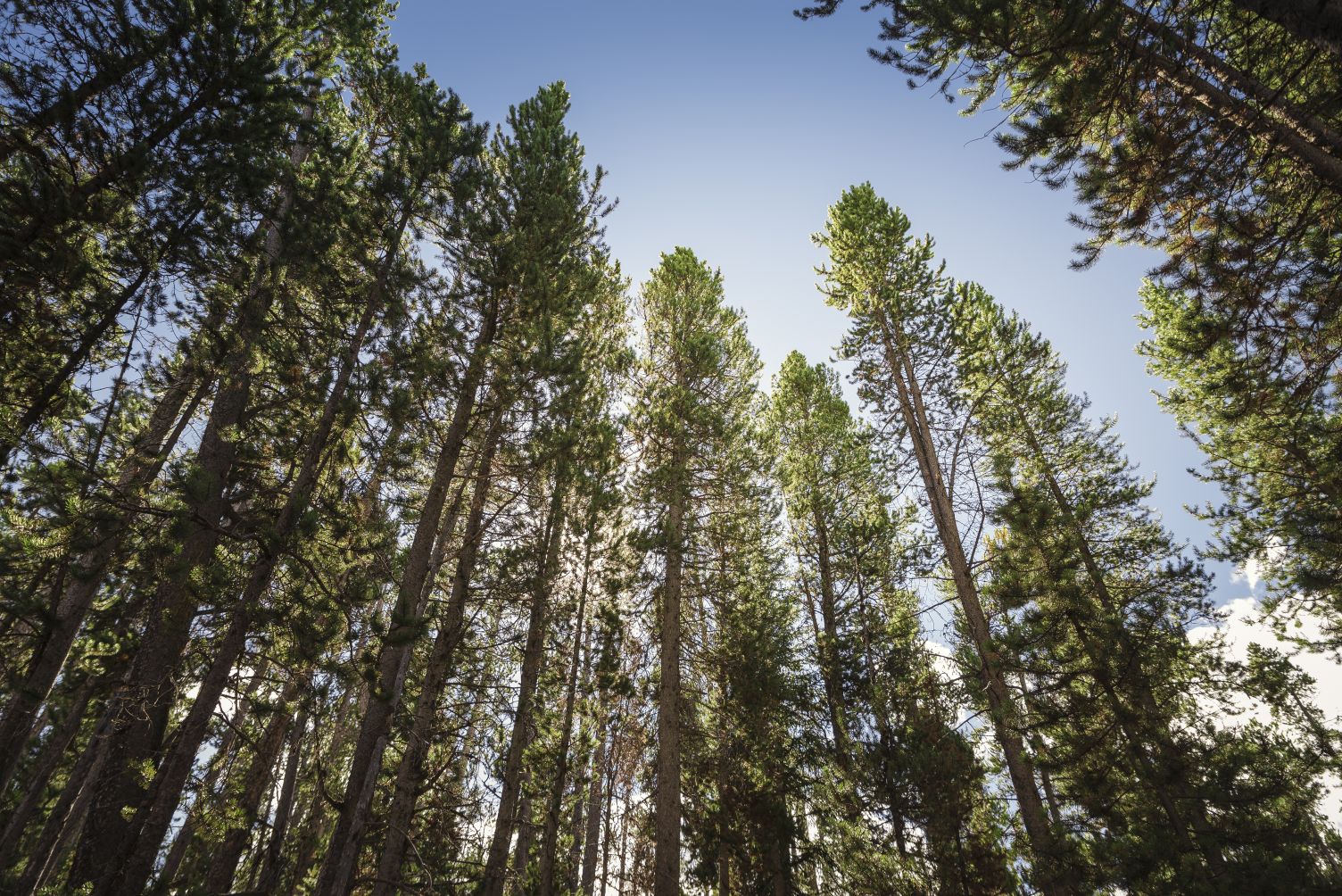
Forest Inputs Resilience Fund
The US can't hit its reforestation goals without nurseries — and nursery infrastructure is contracting right as demand surges. The Forest Inputs Resilience Fund is dedicated debt capital for the businesses upstream of every reforestation project in the country.
Why Voluntary Carbon Markets Are a Smart Investment for Companies Tied to Forests and Water
If your supply chain depends on forests or watersheds, climate volatility isn't a long-term ESG question anymore — it's a near-term operating risk. Voluntary carbon markets are evolving from a corporate sustainability lever into a serious risk management tool.
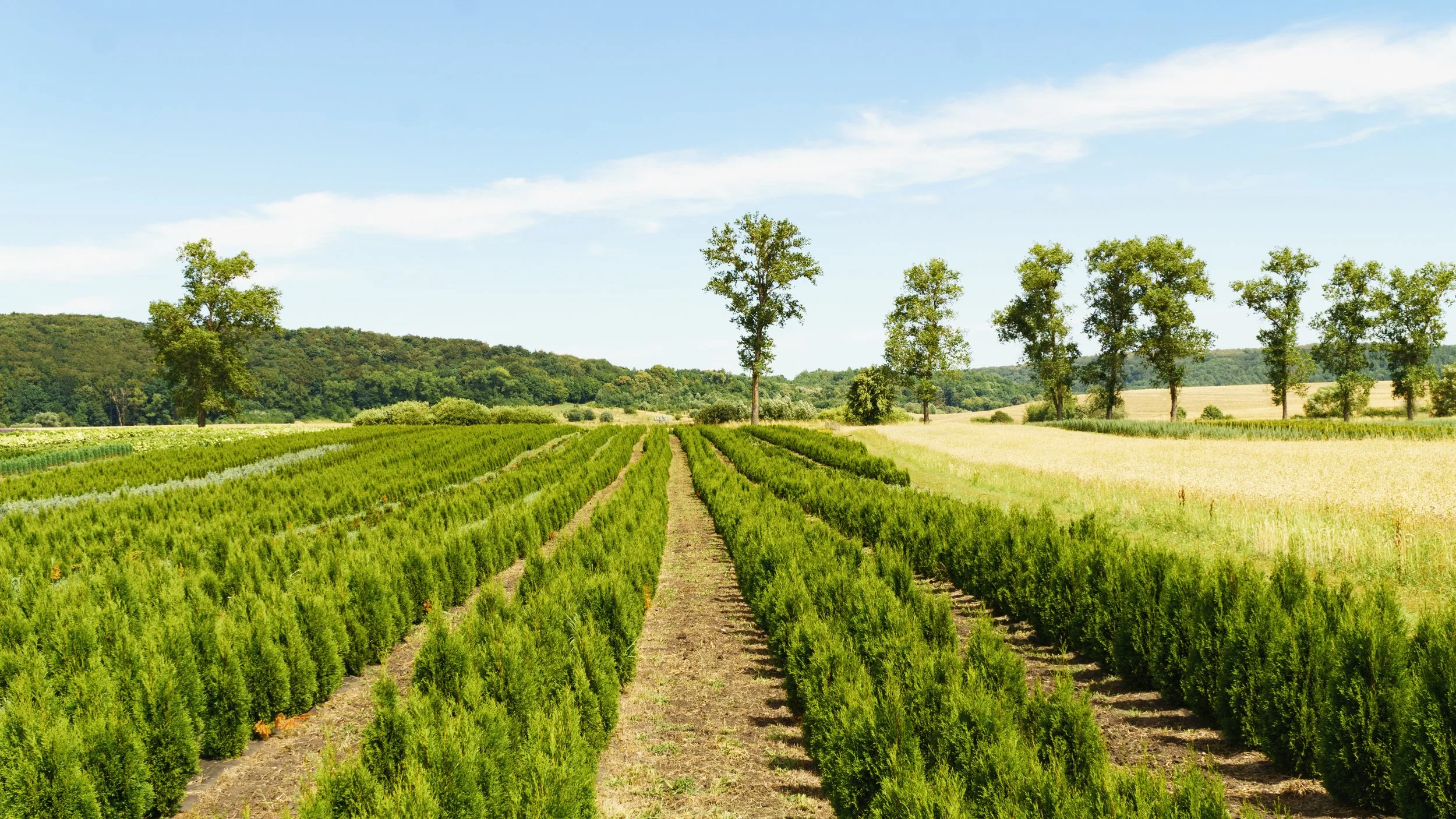
US Agroforestry Seedling Assessment
Nearly half of all US land is farmed, and integrating trees back into that landscape could reshape both farm economics and the demand for tree seedlings. Our latest research module maps where US agroforestry stands today, what's driving it, and where it's headed.
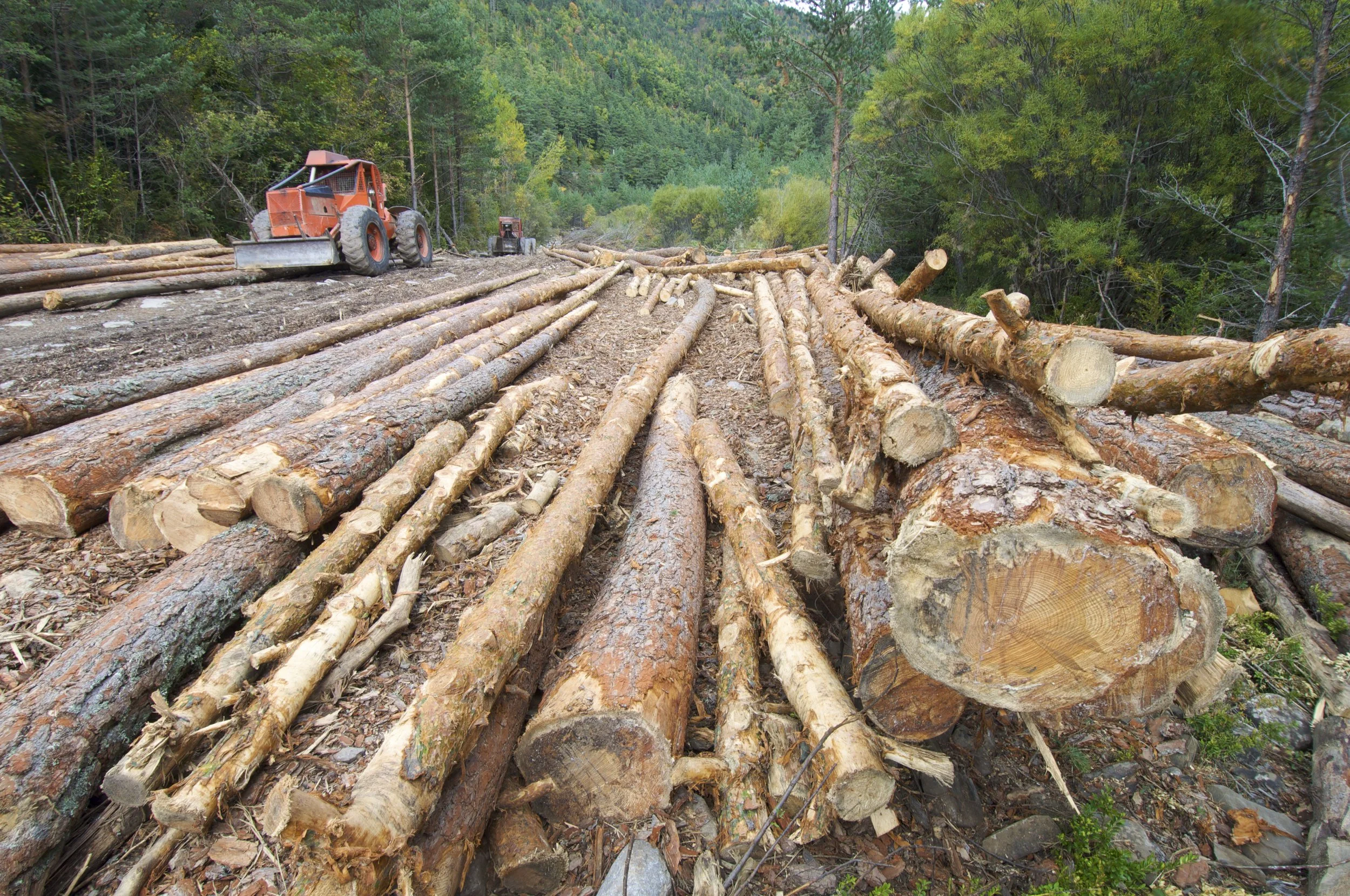
US Timber Assessment for Seed and Seedling Demand
Our 2023 Nursery Assessment looked at the supply side of the US reforestation market. This second research module turns to demand — mapping timberland ownership, value chains, and the seedling demand trajectory in the single largest segment of the market.
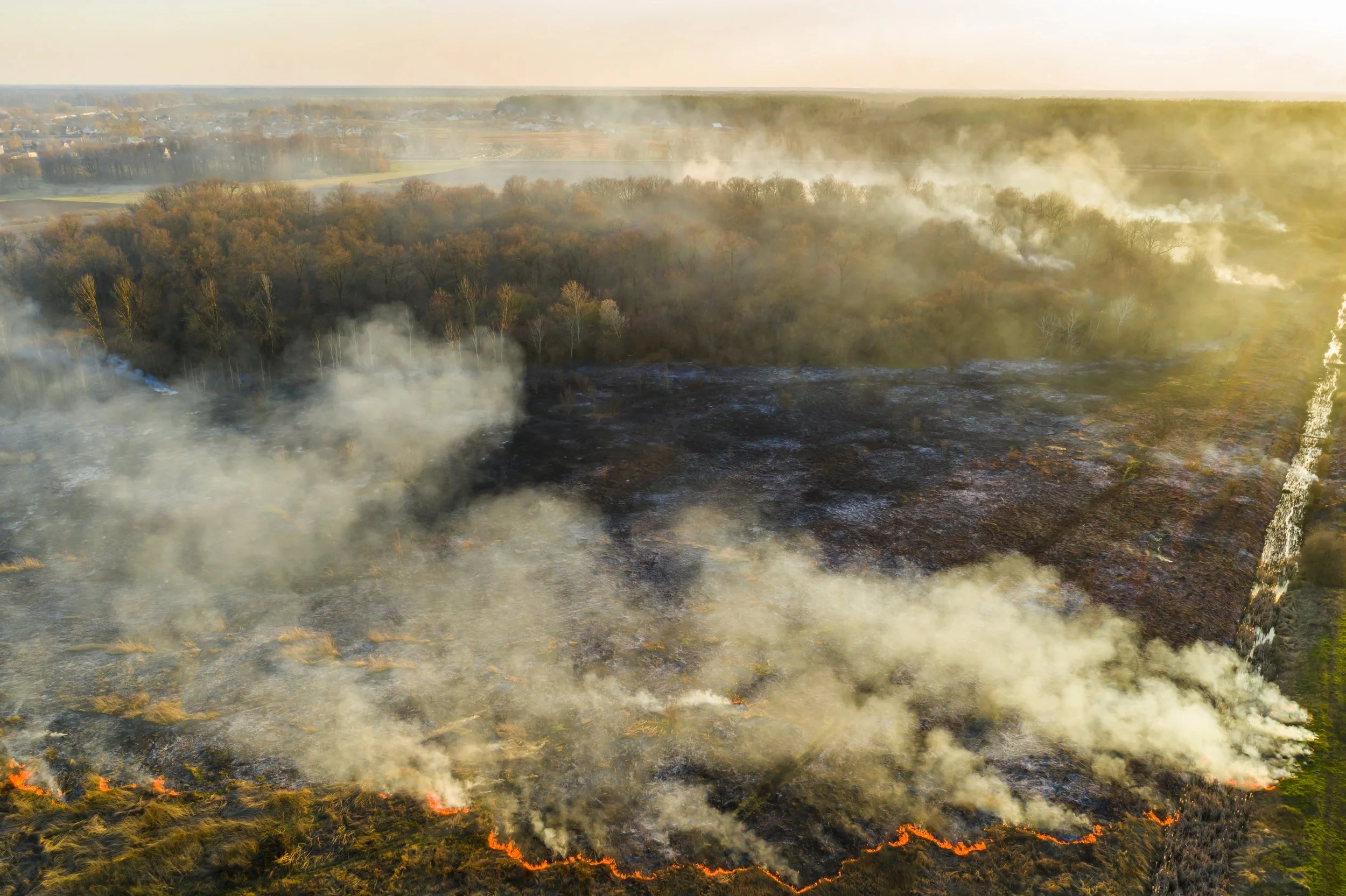
The Resilience Gap: Assessing California’s Wildfire Fuel Treatment Needs by Income Level
Of the 6.7 million acres of private California forestland that needs fuel treatment, 4 million sit in high-poverty areas — and at current treatment rates, the hardest-hit counties are 95 years from catching up. We mapped where the resilience gap is sharpest.
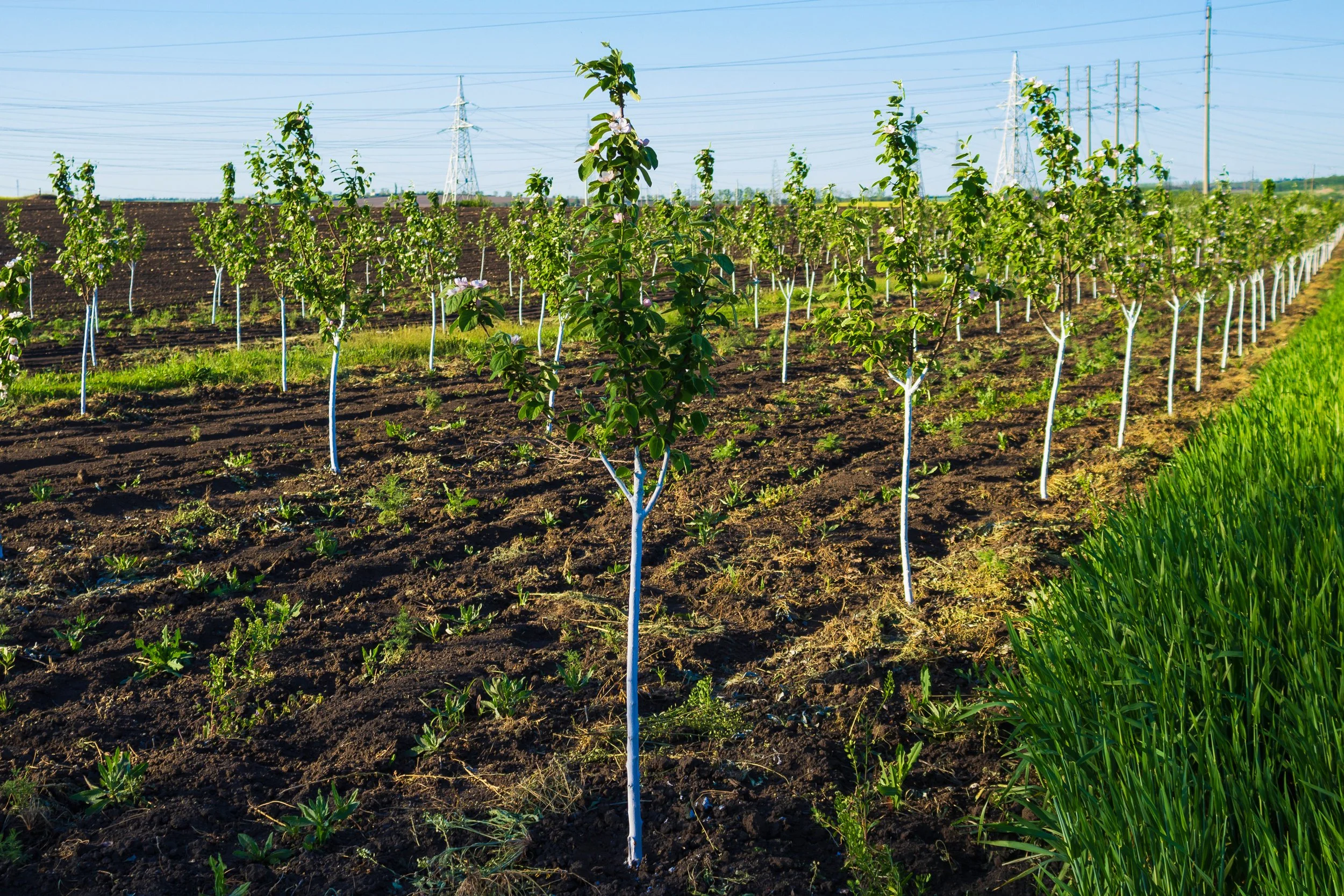
US Land Restoration Seed and Seedling Demand
Our 2023 Nursery Assessment mapped the supply side of the US reforestation market. This new research is the demand-side companion — establishing where sustainable land use projects are happening, why, and what they'll need in capital, seedlings, and other inputs.
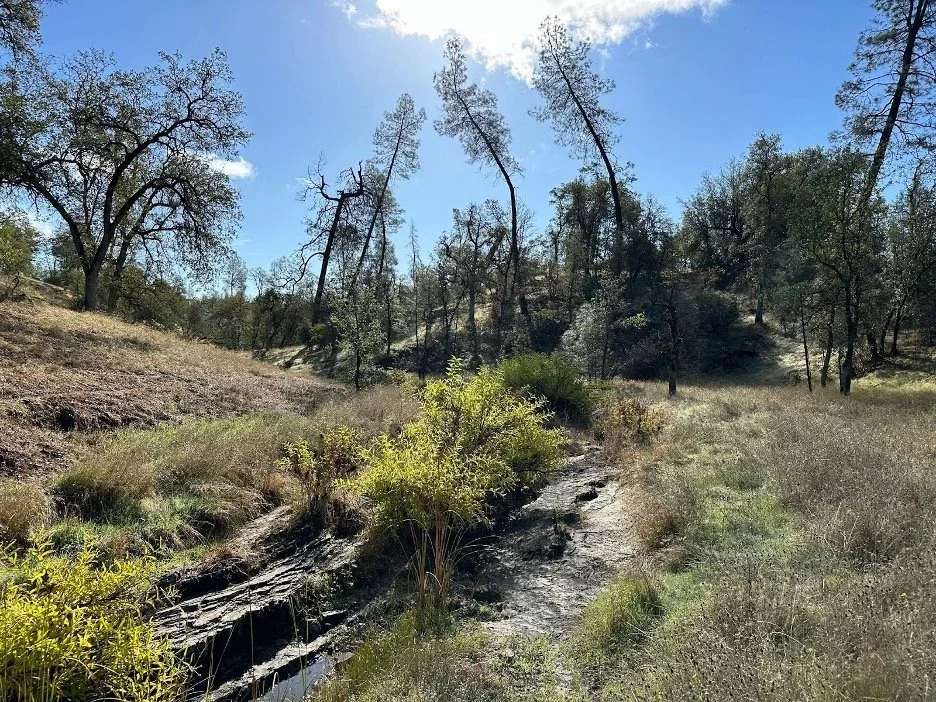
Restoring Bella Vista's Blue Oak Woodlands: New Leaf to Provide Landowner Assistance in New Pilot Program
California's blue oak woodlands hold massive restoration potential — and almost none of the capital or technical help needed to act on it. A 100-acre pilot in Bella Vista is a working prototype of the Nature Development Financial Institution we're building to change that.
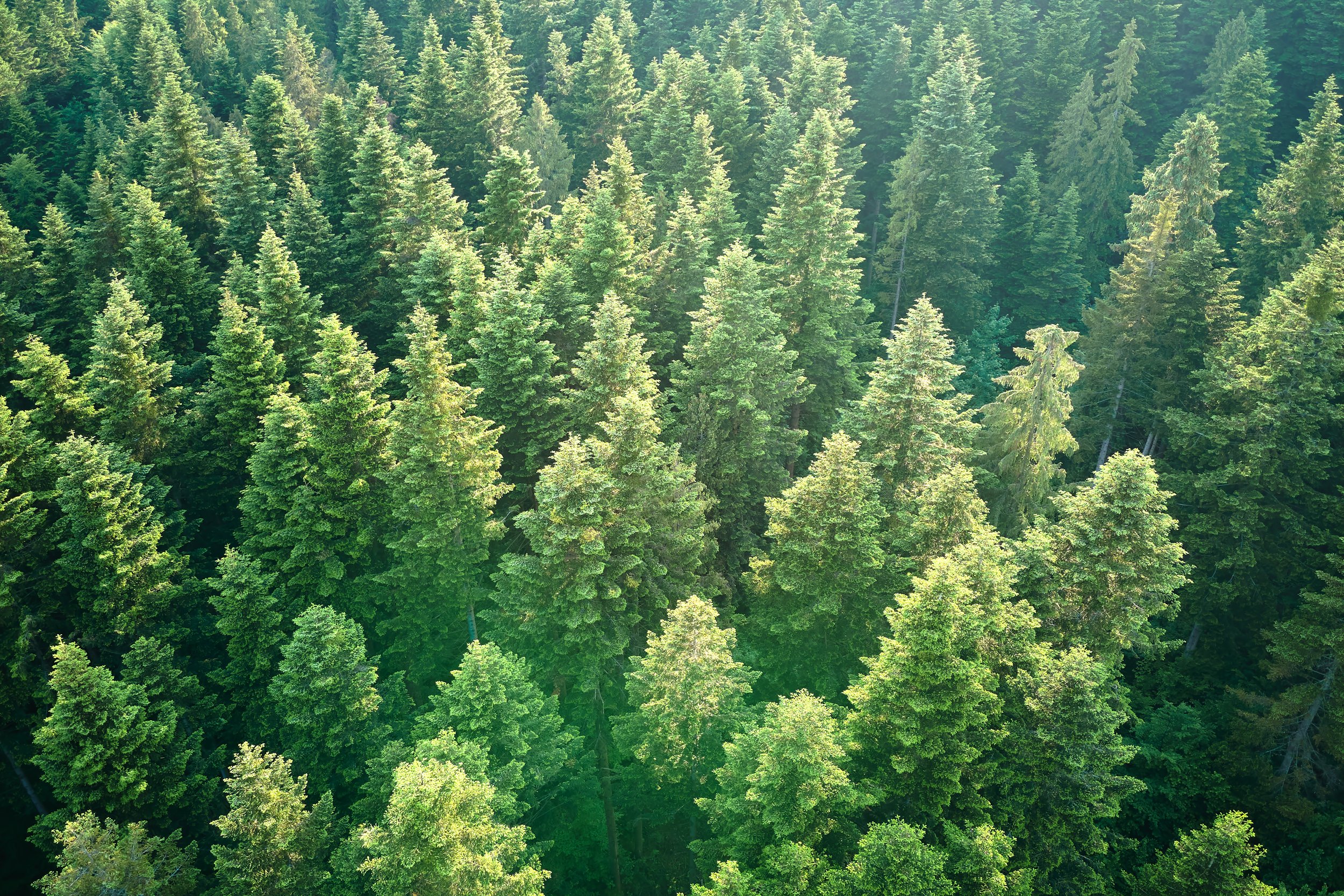
Forest Nursery Landscape Assessment
The US is short roughly a billion tree seedlings a year, and the supply chain is contracting just as demand surges. We visited operators across 20 states to map every nursery that matters — and designed the financing facility we think can change the trajectory.

Growing our Urban Forests: The Challenge and Opportunity to Drive Impact
The Inflation Reduction Act dedicated $1.5 billion to urban and community forestry over nine years, but cities don't yet have the nursery capacity, financing tools, or project infrastructure to spend it well. Here are the barriers we see — and how we're working to close them.
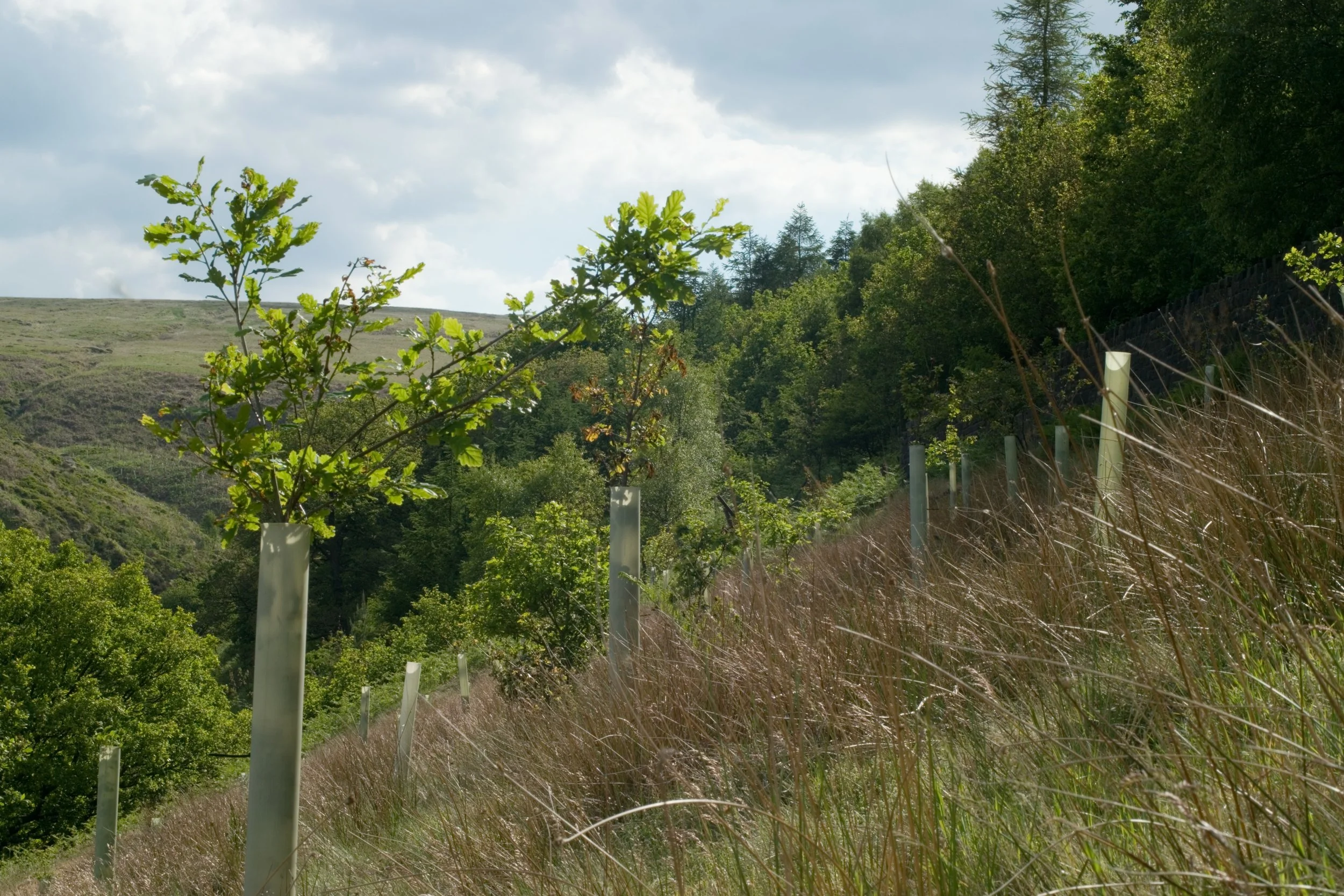
Accelerating Reforestation Project Finance: How Catalytic Capital Can Address Climate, Biodiversity and Equity Goals
The US has 148 million acres of reforestation potential and a conservative $65 billion funding shortfall — and 88% of that land sits with private owners who lack the capital to act. Here's what catalytic finance has to look like to actually move it.
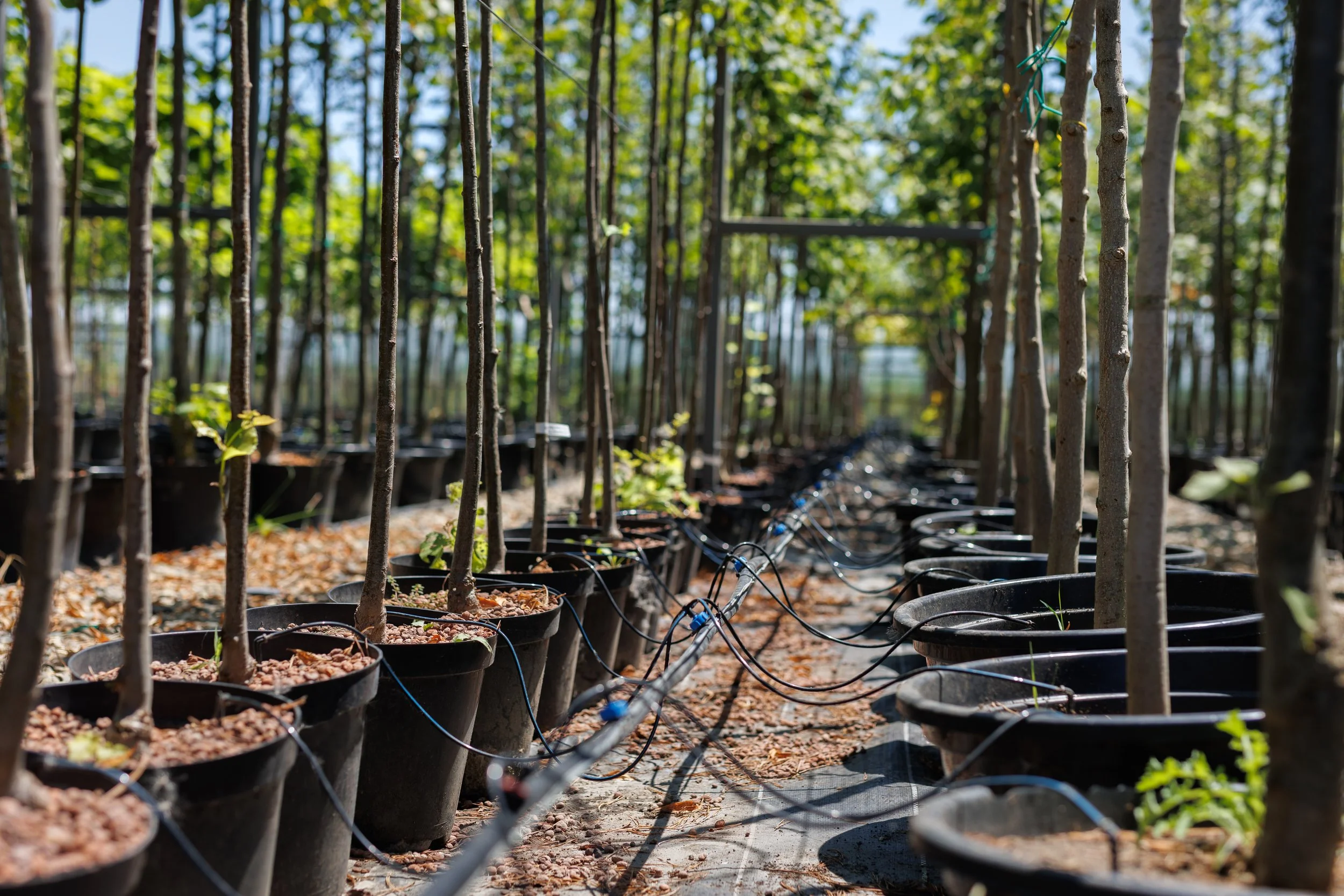
Field Notes: Initial Insights on the Nursery Landscape
We spent the end of 2022 visiting nurseries across the country, and three patterns kept surfacing: a trade-off between scale and species diversity, ownership transitions with no clear buyer, and a market starved of long-range demand signals. Here's what they tell us.
Carbon Markets for Wildfire Mitigation
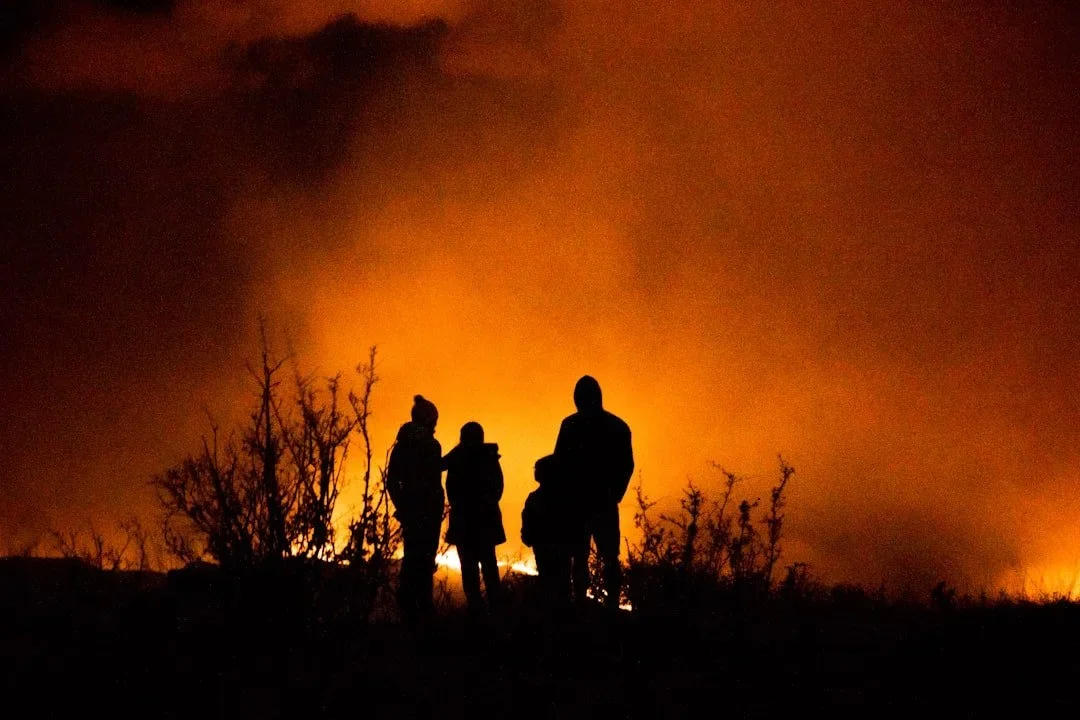
Small landowners are responsible for a third of California's fuel reduction goal, but they're the least able to afford the upfront costs of treatment. We're piloting two new carbon-crediting approaches with 25 landowners across 2,000 high-burn-probability acres in Northern California.
Growing our Nursery Capacity to Meet the Moment
The U.S. produces roughly 1.3 billion tree seedlings a year. To meet our reforestation goals, we need about four times that. The financing playbook to close that gap doesn't exist yet, so we're building it.