Carbon Markets for Wildfire Mitigation
Testing new markets to help small landowners pay for fuel treatment
⚲ Northern California Pilot
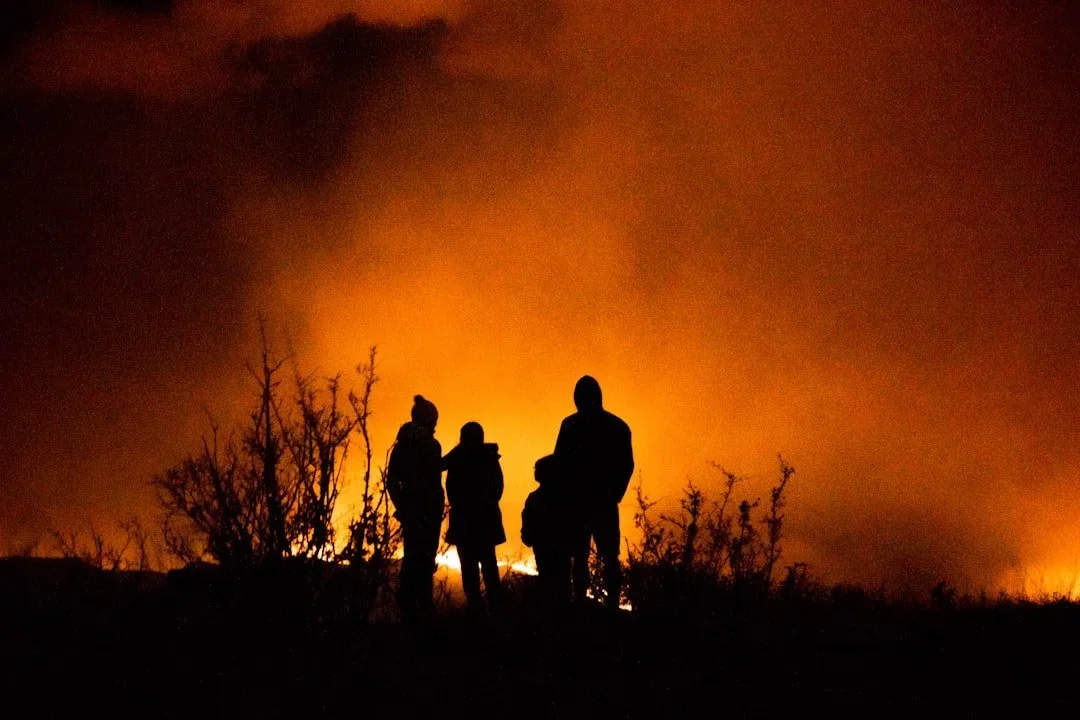
The wildfire crisis in California poses a significant threat to communities, natural landscapes, and efforts to reduce emissions.
In extreme fire years, California's wildfires have released emissions equivalent to 30% of the state's total annual GHG output. Fuel reduction treatments are essential for building forest resilience, mitigating catastrophic fires, and avoiding emissions. By reducing high-severity fire prevalence by 88%, strategic thinning, prescribed burns, and fuel removal protect communities and prevent the massive carbon emissions associated with megafires.
Small landowners, representing 1/3rd of California’s fuel reduction goal, are currently underserved due to the high cost of treatments.
Small landowners, those with fewer than 500 acres, struggle with high initial costs for necessary treatments and lack clear routes for recouping those expenses through downstream markets.
We are piloting novel carbon crediting mechanisms to help fund future wildfire mitigation projects.
Our pilot program is actively testing two new wildfire mitigation crediting approaches. In total, 25 small landowners will be aggregated, covering 2,000 acres in areas of high annual burn probability.
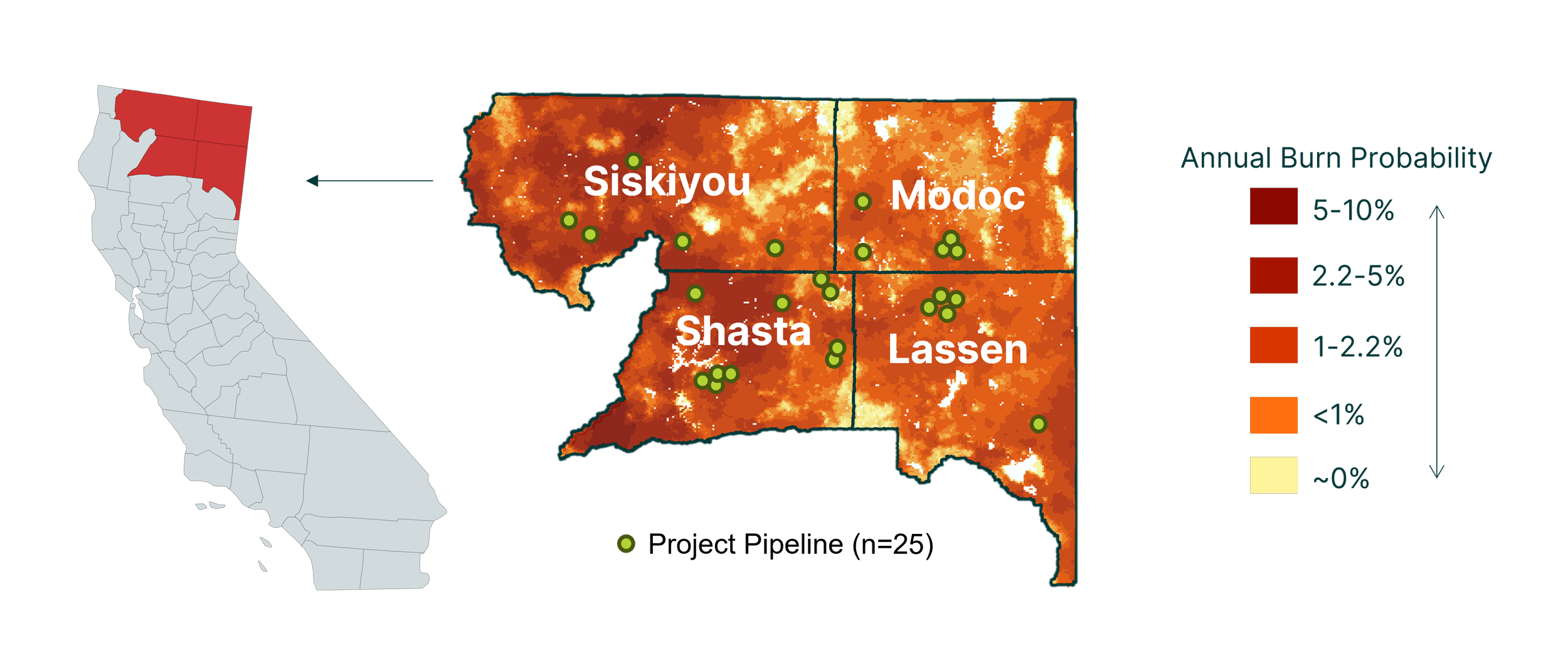
Source: USFS, Wildfire Risk to Communities (2024)
We are partnering with local leaders to coordinate with landowners and deliver on the pilot.
Building on trusted community relationships and ensuring adequate forest prescriptions and compliance with carbon and funding protocols. This commitment also extends to guaranteeing appropriate wages and landowner compensation



Before and after forest resilience treatments:
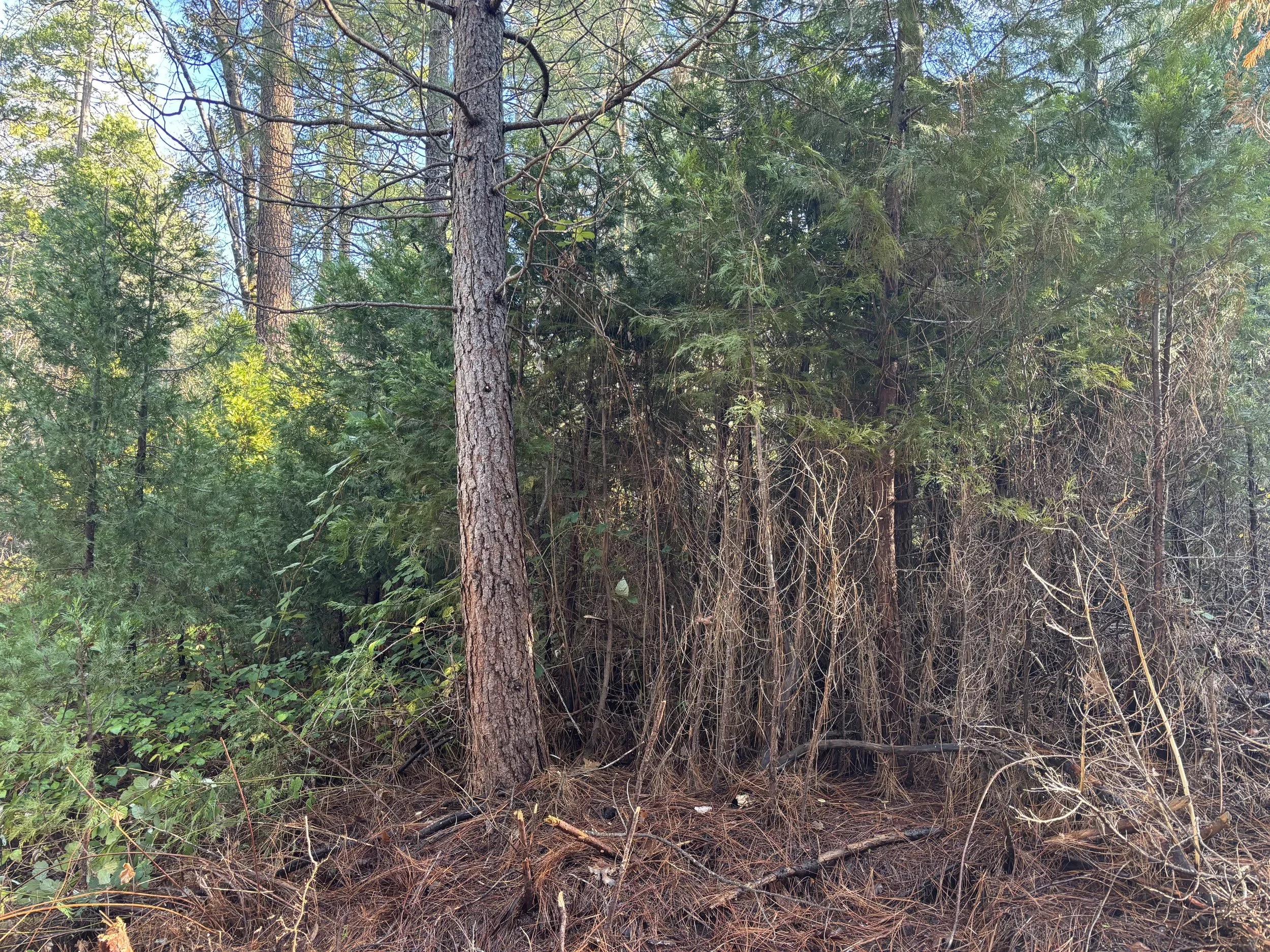
Before
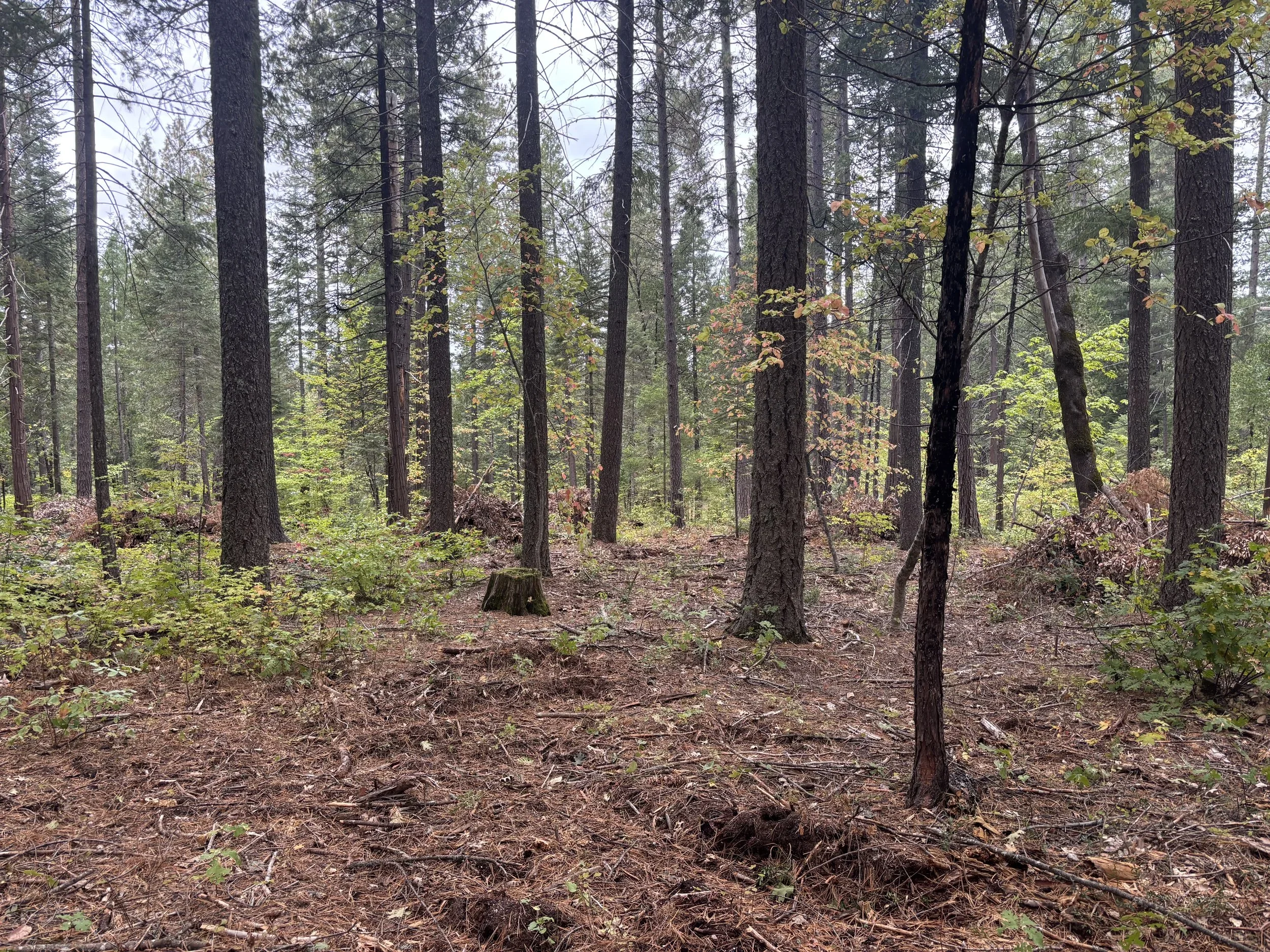
After
Photo Credits: Sierra Cascade Land Stewards, Inc.
Get in touch.
Interested in supporting our work or replicating the model in your region? Contact us to connect and learn more.